
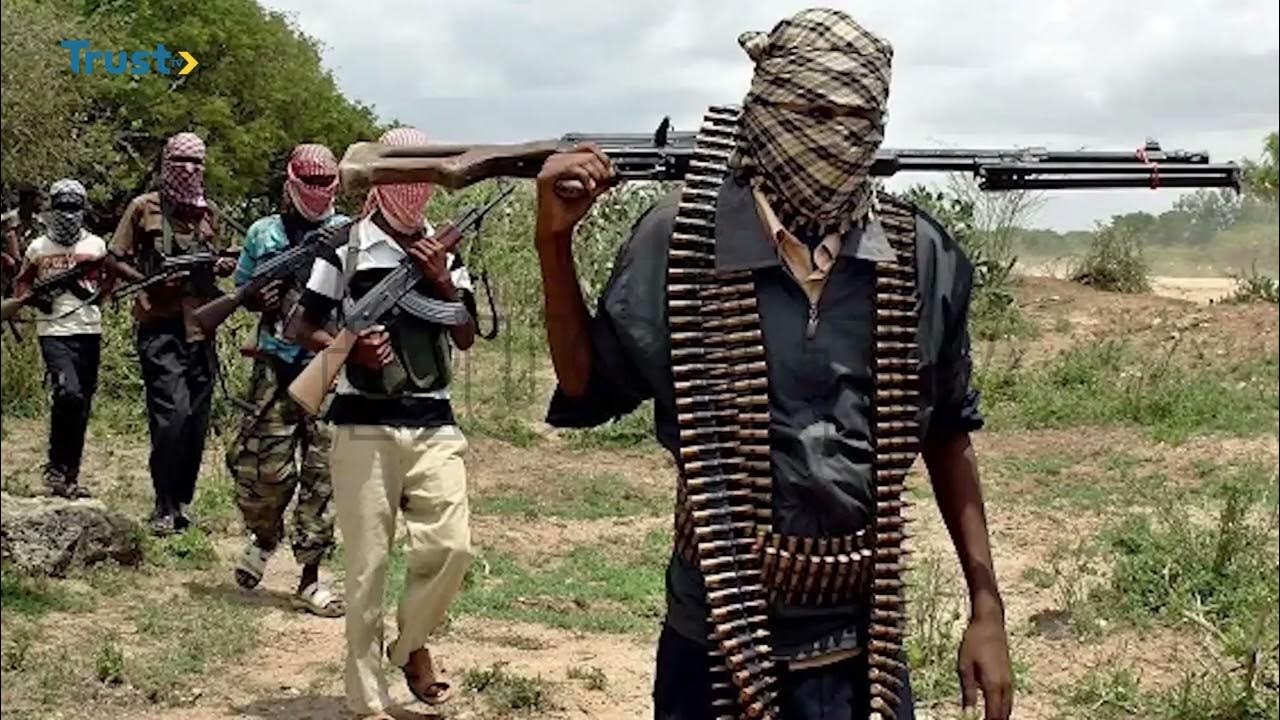
ABUJA, Nov 11 (Reuters) – Nigeria’s military has reported the emergence of a new Islamist insurgent group known as Lakurawa, originating from Niger and Mali. This group has been active in the northwest region of Nigeria, with officials and residents confirming that it carried out an attack last Friday, resulting in the deaths of 15 people—its most significant attack to date.
Who are the Lakurawa?
The military has revealed that the Lakurawa, previously unknown to the public, is linked to the Islamic State and operates primarily in the states of Kebbi and Sokoto. The group first surfaced in northwest Nigeria in 2018. Initially, they gained local support by assisting residents in fighting against armed gangs known as bandits, according to local media reports. However, this alliance quickly deteriorated as residents began accusing the Lakurawa of cattle theft and attempting to enforce strict Islamic law. Consequently, the group retreated to the border areas between Niger and Mali, occasionally making incursions back into Nigeria.
Edward Buba, Nigeria’s defence spokesperson, mentioned that the Lakurawa were not initially deemed a significant threat. However, the group’s presence in Nigeria has increased significantly following the July 2023 military coup in Niger, which halted the joint military patrols along the borders of the two countries.
How is Nigeria Handling the Threat?
In response to the escalating threat posed by the Lakurawa, the Nigerian military has resumed joint patrols with Niger and has committed to taking offensive measures against the insurgent group. The gravity of the threat prompted Nigeria’s acting Chief of Army Staff, Lieutenant General Olufemi Oluyede, to visit Sokoto to bolster the morale of his troops and rally them for the fight against the Lakurawa. During his visit, Oluyede also called upon local residents to support the military efforts in combating the insurgents.
The Nigerian government and military are determined to address the menace posed by the Lakurawa and are actively working to safeguard the affected regions.